
Assisted living communities use substantial amounts of electricity, water, food, cleaning supplies, and medical-related materials. Eco-friendly practices aim to reduce waste and pollution while preserving comfort, cleanliness, safety, and reliable care for residents.
For families in Manor, PA, sustainability is not only an environmental issue. It can also affect indoor air quality, utility costs, food quality, outdoor comfort, and how responsibly a community manages everyday resources.
What does eco-friendly assisted living mean?
Eco-friendly assisted living means operating a residential care setting in ways that reduce unnecessary environmental impact without compromising resident health or quality of life.
A practical sustainability program may include:
- Energy-efficient lighting and heating systems
- Water-saving fixtures and leak monitoring
- Recycling and food-waste reduction
- Safer cleaning products and improved ventilation
- Native or climate-appropriate landscaping
- Durable furnishings and responsible purchasing
- Transportation planning and reduced fuel use
- Resident education and participation
The goal is not to make residents change their routines dramatically. Most effective improvements occur behind the scenes through building design, maintenance procedures, dining operations, and purchasing policies.
How can a community reduce energy use without making residents uncomfortable?
Energy conservation should maintain stable temperatures, adequate lighting, and good indoor air quality. A community should never reduce heating, cooling, or ventilation in a way that creates discomfort or health concerns.
Common energy improvements include LED lighting, occupancy sensors in selected areas, efficient boilers or heat pumps, programmable controls, improved insulation, and regular maintenance of heating and cooling equipment. These measures can lower energy use while keeping hallways, apartments, dining areas, and activity rooms properly illuminated and comfortable.
Lighting deserves special attention in assisted living. Residents may need brighter, more evenly distributed light to reduce glare, support mobility, and improve visibility. An efficient lighting plan should therefore consider color quality, nighttime pathways, bathroom safety, and contrast between floors and walls—not simply whether fixtures use less electricity.
Seasonal conditions also matter in Manor. Cold winters, summer humidity, and changing daylight hours can affect heating, cooling, moisture control, and resident comfort. Good building management adjusts systems to seasonal needs rather than relying on a single thermostat setting throughout the year.
Why are indoor air quality and sustainability connected?
Energy upgrades and indoor air quality should be planned together. A tighter building envelope may reduce drafts and energy loss, but ventilation must still remove odors, moisture, cleaning fumes, and airborne contaminants.
Responsible practices may include:
- Replacing HVAC filters on a documented schedule
- Controlling humidity to discourage mold growth
- Using low-odor or lower-emission cleaning products when appropriate
- Ventilating kitchens, bathrooms, and laundry areas effectively
- Preventing water leaks and promptly drying damp materials
- Keeping combustion equipment properly vented and maintained
A “green” building is not automatically a healthy building. Residents and families should look for evidence that environmental improvements support respiratory comfort, infection-control procedures, and accessibility needs.
How do assisted living communities reduce water waste?
Water conservation often begins with maintenance. A leaking toilet, faucet, pipe, or irrigation line can waste large amounts of water over time and may create slip hazards or moisture damage.
Useful measures include low-flow fixtures, sensor-controlled faucets in suitable locations, efficient laundry equipment, drought-tolerant landscaping, and irrigation scheduled around weather conditions. However, water-saving equipment should be selected carefully. Fixtures must still provide enough flow for hand hygiene, bathing, cleaning, and safe daily use.
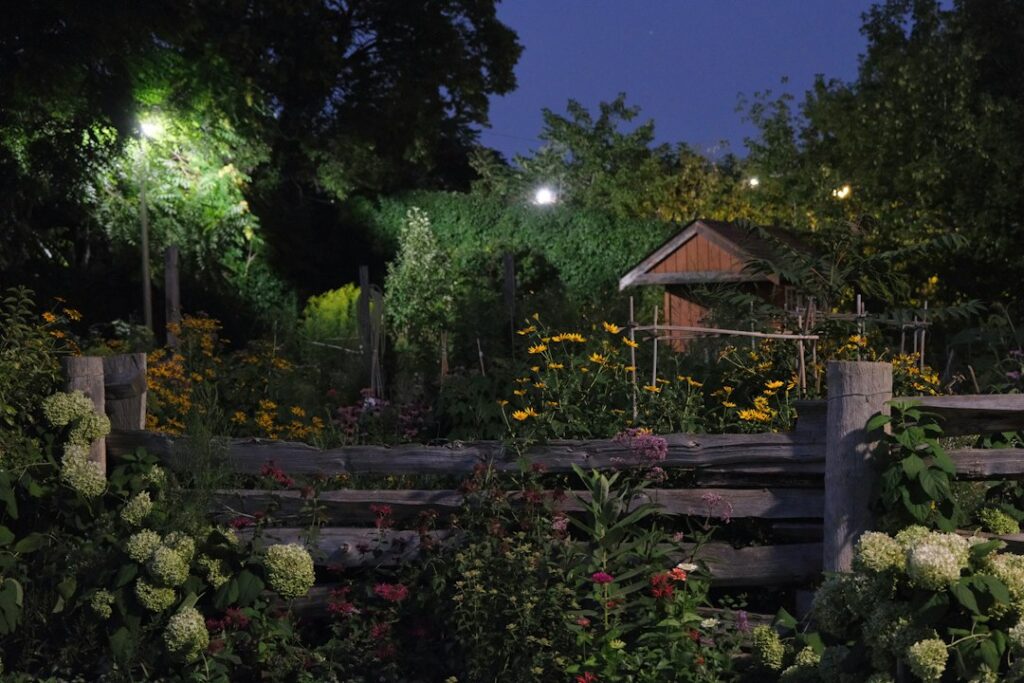
Landscaping can also reduce water demand. Shade trees, rain gardens, mulch, and plants suited to local seasonal conditions may require less irrigation than extensive areas of closely trimmed lawn. Outdoor areas should remain accessible, well lit, and free of trip hazards for residents using walkers, wheelchairs, or other mobility aids.
What happens to food waste and recycling?
Dining operations create a large portion of waste in many residential communities. A thoughtful program measures what is being discarded before choosing solutions.

Food waste may be reduced through accurate meal counts, flexible portion sizes, resident feedback, safe food storage, and careful menu planning. Uneaten food cannot always be donated or composted because assisted living kitchens must follow food-safety requirements. Any reuse, donation, or composting practice needs clear handling procedures.
Recycling programs work best when signs are simple and containers are placed where waste is generated. Paper, cardboard, metal containers, and accepted plastics may be recyclable, but rules vary by local collection system. Items should not be placed in recycling bins merely because they have a recycling symbol. Contamination can cause an entire load to be rejected.
Special attention is needed for batteries, electronics, fluorescent lamps, cleaning chemicals, sharps, and medical-related waste. These materials may require separate handling and should never be placed in ordinary recycling or trash containers unless the applicable disposal rules allow it.
Are environmentally friendly cleaning products safe and effective?
Some lower-emission or fragrance-free products can reduce unnecessary odors and chemical exposure, particularly for residents with asthma, allergies, or sensitivity to strong scents. Yet “natural” does not always mean safe, and a product’s environmental label does not replace proper infection-control procedures.
Cleaning products should be evaluated for effectiveness, required contact time, storage needs, compatibility with surfaces, and staff training. Disinfectants remain necessary in many areas, especially during illness outbreaks. The most responsible approach balances infection prevention with careful dosing, secure storage, ventilation, and reduced overuse.
Laundry practices can also affect sustainability. Efficient machines, properly sized loads, reusable linens where appropriate, and accurate detergent dosing may reduce water, energy, and chemical use. Linens still need to be changed as often as health, hygiene, and resident preference require.
How can residents participate in sustainability efforts?
Residents should have a voice in environmental programs because changes affect daily routines. Participation might include gardening, sorting recyclable materials, choosing portions at meals, joining a sustainability committee, or suggesting ways to reduce disposable items during activities.
Programs should remain voluntary and accessible. A resident with memory loss, limited vision, reduced dexterity, or mobility limitations may need different options. Recycling containers should be easy to identify, and outdoor gardening areas should include stable paths, seating, shade, and raised planting surfaces where possible.
Families can ask practical questions:
- How does the community handle food waste?
- What materials are accepted for recycling?
- How are batteries and electronics discarded?
- Are heating and cooling systems maintained on a regular schedule?
- What steps are taken to prevent indoor moisture problems?
- Are residents involved in environmental decisions?
- How are sustainability goals measured?
Clear answers are more meaningful than broad claims about being “green.”
What should families look for during a community visit?
Look for conditions that connect environmental responsibility with resident well-being. Hallways should be comfortable, well lit, and free from strong chemical odors. Windows, doors, and common areas should appear maintained. Landscaping should be orderly without creating slippery surfaces, standing water, or blocked walkways.
Notice whether trash and recycling containers are clearly labeled and whether outdoor spaces offer shade and accessible seating. Ask how the community handles winter weather, summer heat, power interruptions, water leaks, and severe storms. Preparedness is part of sustainability because resilient buildings are better able to protect residents and avoid unnecessary waste during emergencies.
Eco-friendly assisted living is most credible when it is visible in everyday operations: comfortable rooms, efficient systems, careful food planning, responsible waste handling, healthy outdoor spaces, and staff practices that respect both residents and resources.
