

Can couples stay together when their care needs are different?
Yes. Assisted living can often support couples who want to remain together even when one person needs more help than the other. The key is finding a living arrangement that provides shared housing and daily companionship while allowing care, supervision, and activities to be adjusted for each individual.
For couples in Manor, PA, this may become a consideration when one partner develops memory loss, mobility limitations, medication needs, or difficulty managing personal care, while the other remains relatively independent. Moving together can help reduce separation, simplify transportation, and make it easier to respond to changing needs.
Assisted living is not one single level of care. Services may include help with bathing, dressing, grooming, toileting, medication reminders, meals, housekeeping, laundry, and mobility. A couple may share an apartment while receiving different amounts of assistance.
How are services adjusted for each partner?
Care should be based on the needs of each resident rather than assuming both partners require the same routine. One person may need only occasional help, while the other may need several daily check-ins or hands-on assistance.
For example:
- One partner may manage medications independently while the other needs reminders or supervised administration.
- One may walk without help while the other uses a walker or wheelchair.
- One may attend most activities alone while the other benefits from smaller, quieter programs.
- One may need help getting dressed in the morning while the other remains fully independent.
- One may require additional monitoring because of memory changes, diabetes, fall risk, or nighttime confusion.
This individualized approach allows couples to share meals, visits, and time in their residence without tying both people to the same care schedule.
Families should ask how care plans are created, how often they are reviewed, and what happens if one partner’s needs increase. A clear plan should identify the assistance required, who provides it, when it is provided, and how changes are communicated.
Can a couple share an apartment or private room?
Many assisted living settings offer accommodations designed for two people, but availability, layout, and policies vary. Some couples share a one-bedroom apartment, while others may have adjoining or nearby private rooms. The most suitable arrangement depends on privacy preferences, sleep schedules, mobility equipment, and the amount of space needed for safe movement.
Before making a decision, couples and families should consider:
- Whether both people can move safely through the space
- Whether there is room for walkers, wheelchairs, or other equipment
- How personal belongings will be organized
- Whether each person has access to a private bathroom
- How staff enter the residence if one partner needs help
- Whether separate sleeping areas would improve rest
- How the layout would work if one person later needs more supervision
Sharing a residence can be comforting, but it should not create unsafe conditions or prevent either partner from receiving appropriate care. A couple may also benefit from having separate bedrooms within the same apartment if one person wakes frequently, becomes confused at night, or follows a different sleep schedule.
What if one partner has dementia or memory loss?
Memory loss does not automatically mean a couple must live apart, but it may change the type of support needed. A partner with dementia may need reminders, structured routines, assistance with personal care, or supervision because of wandering, falls, or difficulty recognizing hazards.
The other partner may want to remain involved but may no longer be able to provide constant oversight. Assisted living can help by placing responsibility for routine care with trained staff rather than relying entirely on a spouse.
A shared living arrangement may work when the person with dementia can live safely in the setting and the partner is not expected to provide hands-on care beyond personal comfort and companionship. Families should ask how the setting responds to nighttime confusion, exit-seeking, challenging behavior, missed meals, and changes in communication.
It is also worth discussing what would happen if memory-related needs become more advanced. Some residents may eventually need a secured memory care setting or another level of support. Planning for that possibility early can make later decisions less rushed.
How can couples preserve independence and privacy?
Living together does not mean doing everything together. Couples often benefit from having different schedules, friendships, hobbies, and activity choices. One partner may enjoy exercise or group programs, while the other prefers reading, music, crafts, visits, or quiet time.
Maintaining individual routines can protect dignity and reduce tension. Each person should have choices about:
- When to wake and go to bed
- Which activities to attend
- What clothing and personal items to use
- How to spend private time
- Whether to eat every meal together
- How much help to accept from staff
Spouses may also need emotional privacy. A partner who is providing encouragement or reassurance can become tired, worried, or frustrated. Assisted living should support the relationship without turning one spouse into the other’s unpaid caregiver.
What costs should families understand?
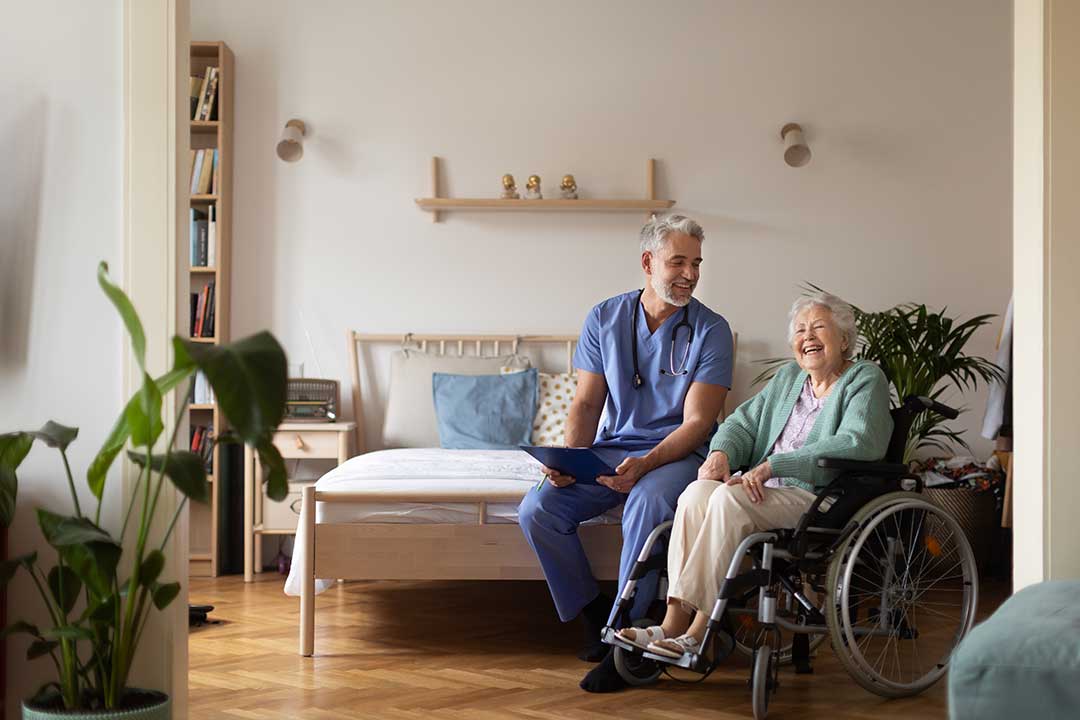
Couples may pay different amounts because charges are often connected to the size of the residence, the services provided, and each person’s care needs. A couple should not assume that sharing a room means both people will have identical costs.
Questions to ask include:
- Is pricing based on the residence, each person, or both?
- Are care services assessed separately?
- Are medication assistance and incontinence care included?
- Are there additional fees for transfers, bathing, or nighttime help?
- How often can charges change after a new assessment?
- What happens financially if one partner needs a higher level of care?
- Are there separate costs for transportation, personal supplies, or special diets?
A written explanation of services and fees is helpful because couples may have different needs at move-in, and those needs can change over time. Families should also review how private funds, long-term care insurance, veterans’ benefits, or public programs may apply. Eligibility rules vary, so financial planning should be based on current, documented information rather than assumptions.
What local factors should couples consider?
Seasonal conditions can affect daily routines for older adults. In Manor, winter weather, icy walkways, heavy rain, and temperature changes may make driving, walking, and attending appointments more difficult. A setting with safe indoor movement areas, reliable transportation procedures, and plans for weather-related disruptions may reduce stress.
Housing patterns also matter. Some couples move from a long-held house that requires maintenance, stairs, yard work, and snow removal. Assisted living may reduce those responsibilities, but couples should still consider whether the new residence feels familiar, comfortable, and accessible.
Distance from family is another practical issue. Regular visits may be easier when relatives can reach the residence without complicated travel. Families should discuss who will attend care meetings, manage paperwork, bring personal items, and help make decisions if one partner becomes unable to speak for themselves.
What questions should couples ask before moving?
A visit should focus on daily life rather than appearances. Couples can ask to see an apartment, dining area, activity spaces, outdoor areas, and routes used by residents with mobility limitations.
Useful questions include:
- Can couples live together if their care needs are different?
- How are individual care plans created and updated?
- What assistance is available overnight?
- How are falls, medication concerns, and sudden changes reported?
- Can one partner receive more care without requiring an immediate move for both?
- What happens if one partner needs memory care or nursing-level services?
- Are residents free to spend time alone or attend different activities?
- How are family members included in care discussions?
- What is the plan during power outages, severe weather, or transportation disruptions?
The best arrangement is one that supports the couple’s relationship while recognizing that each person remains an individual resident. Shared housing can provide companionship and stability, but appropriate care, privacy, safety, and flexibility are just as important.
